Chuyến tham quan dây chuyền sản xuất chuyên sâu này sẽ hướng dẫn quy trình sản xuất mũ bảo hiểm ABS tự động từ đầu đến cuối của chúng tôi, từ kiểm tra nguyên liệu thô và ép phun chính xác đến chế tạo lớp lót EPS mật độ cao, hoàn thiện bề mặt và kiểm soát chất lượng toàn bộ quy trình. Tất cả mũ bảo hiểm đều sử dụng vật liệu ABS chống va đập với cấu trúc an toàn hai lớp, tuân thủ các chứng nhận an toàn quốc tế chính thống. Chúng tôi cũng cung cấp dịch vụ tùy chỉnh OEM toàn diện bao gồm hình thức bên ngoài, thiết kế chức năng và đầy đủ các thiết bị bảo vệ xe máy, hỗ trợ khối lượng đặt hàng linh hoạt cho các thương hiệu, nhà phân phối và nhà bán lẻ toàn cầu.
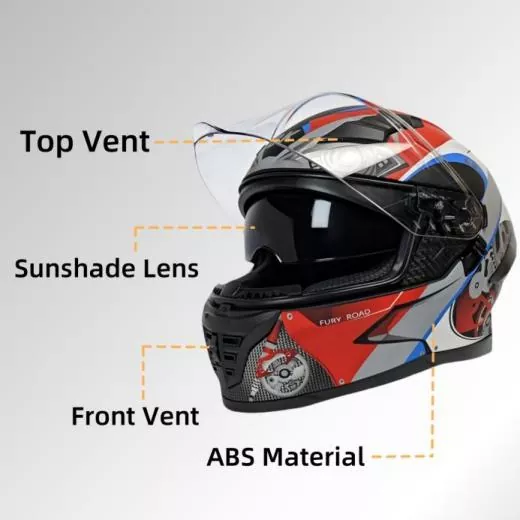
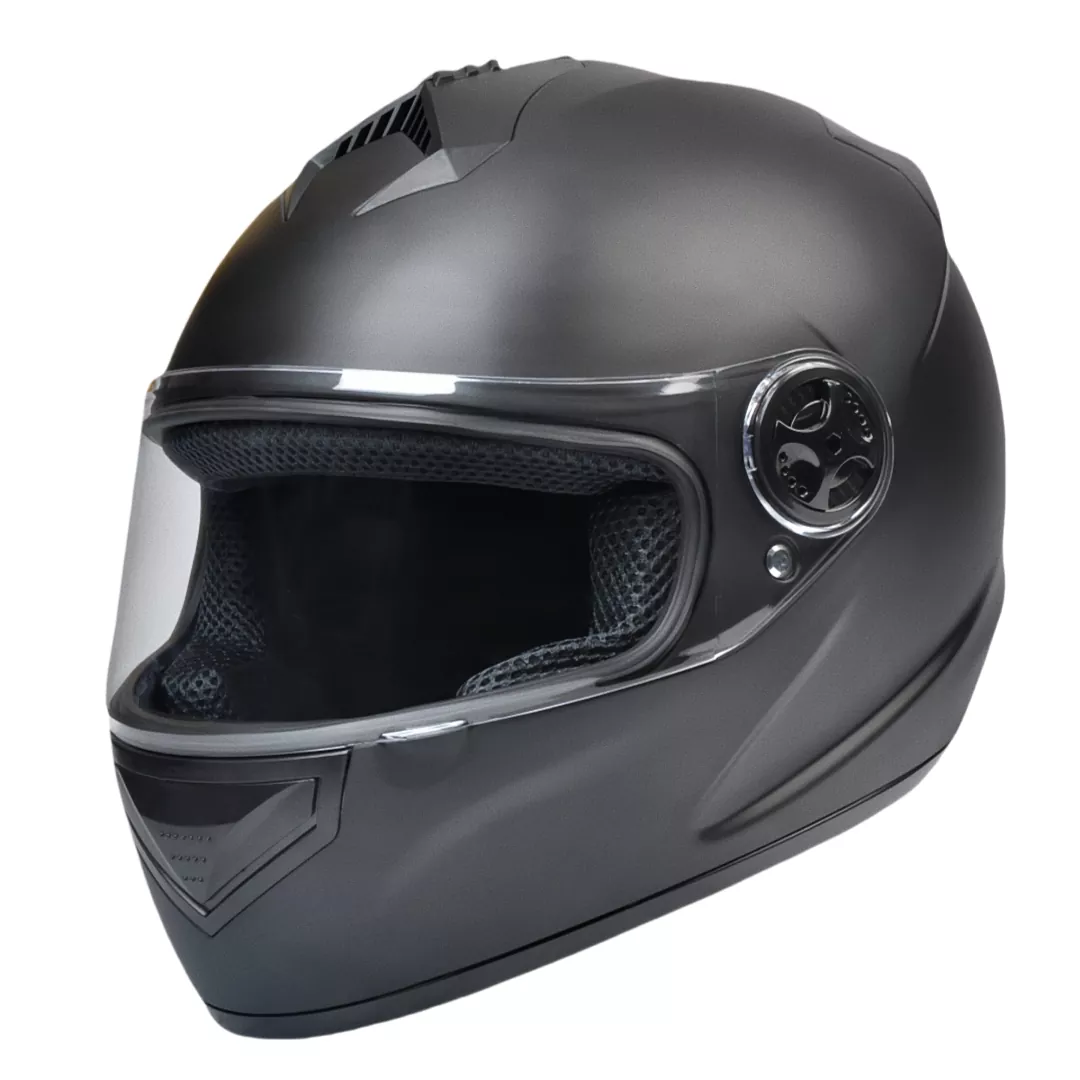
Tuân thủ tiêu chuẩn GB811-2022 Loại A, mũ bảo hiểm cả mặt của chúng tôi sử dụng lớp vỏ ABS và đệm EPS để che chắn toàn bộ đầu và cằm. Chúng có tính năng thông gió, thấu kính chống sương mù và lớp lót có thể giặt được để đảm bảo an toàn, thoải mái khi lái xe trong mọi tình huống.
Wind noise is the unseen culprit that saps the most energy during long-distance rides. Many cyclists assume that all helmets are equally noisy, but in reality, the level of wind noise control is a key indicator of a helmet's engineering design. This article breaks down the sources of helmet wind noise, the differences in noise levels between various helmet styles, and how to assess a helmet's noise-reduction performance when making a purchase.
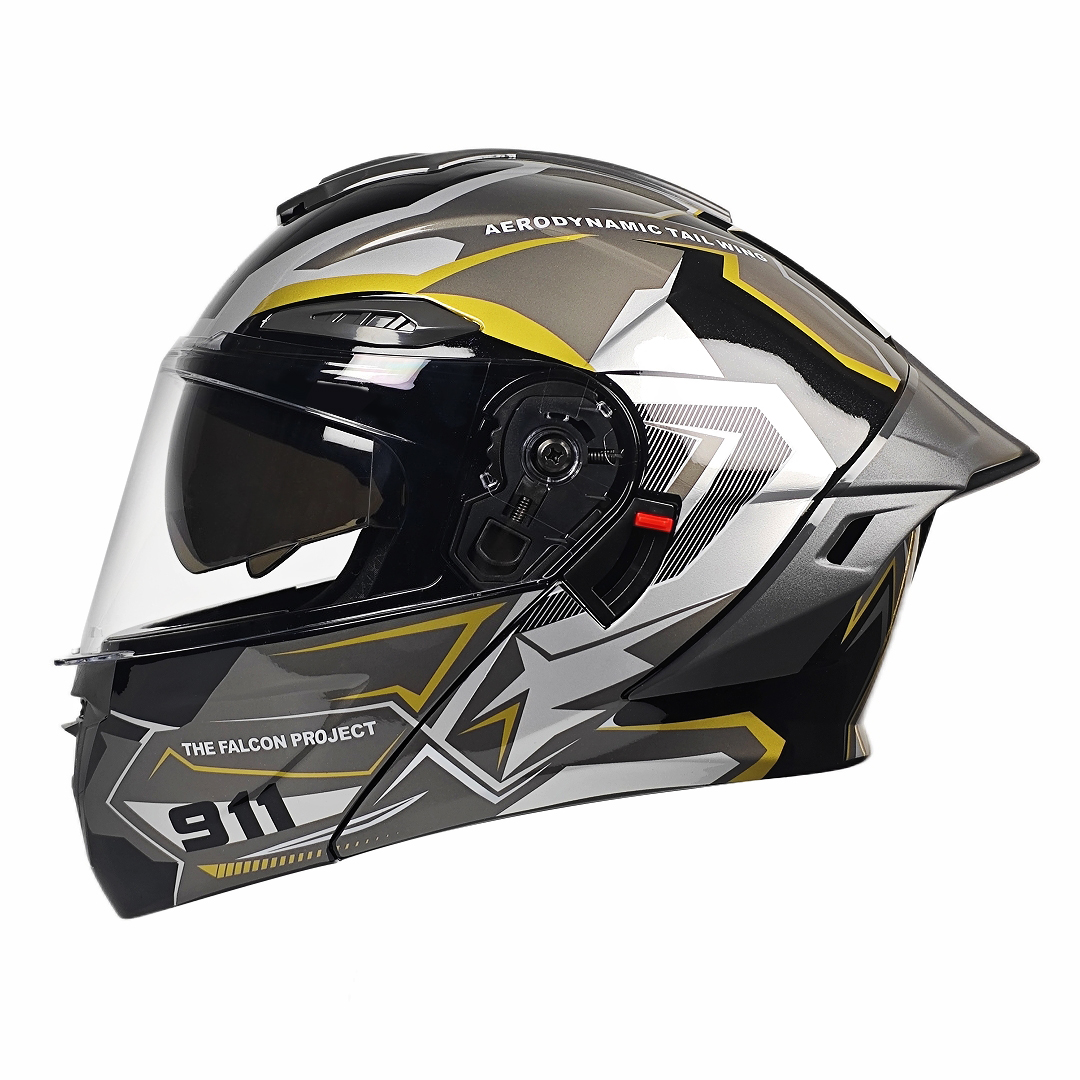
That low-angle sun during the morning and evening grind doesn't just bug you—it's a genuine hazard that city riders quickly come to dread. Dual visor helmets were pretty much born to handle this exact headache. Tucked inside the shell is a drop-down tinted visor you can snap into place in a split second, no messing around with swapping out your clear shield at the side of the road. But it's not a perfect fix without trade-offs; you gain quick sun-blocking at the cost of a little extra weight, more complexity, and a potential fog-prone gap between the two visors. This article breaks down the pros and cons of dual visor systems, compares them with photochromic visors, and identifies which riders truly need to pay for this feature.
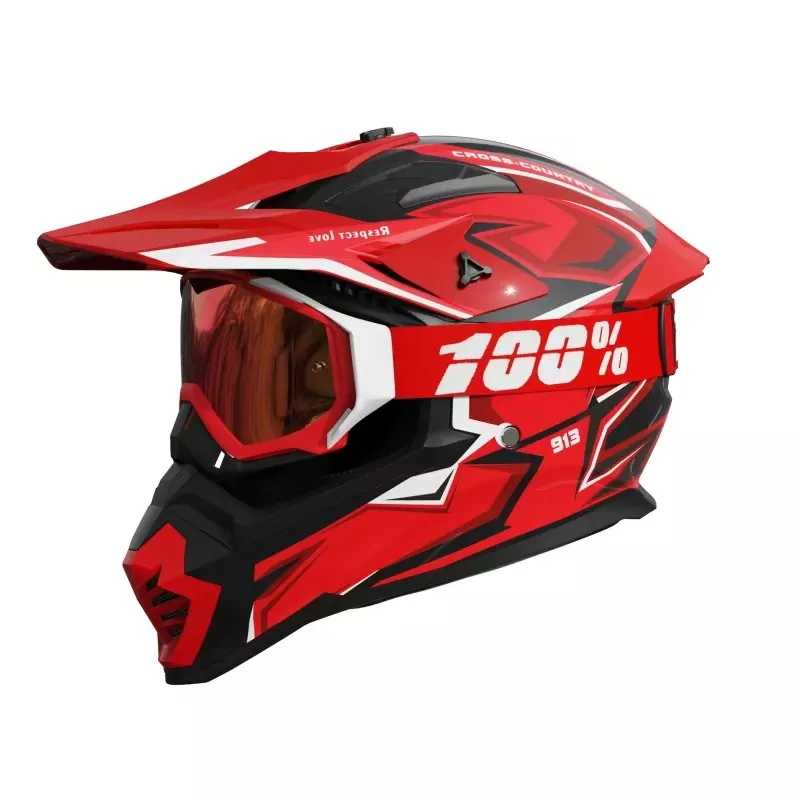
Plenty of riders get stuck on the same question: can you just grab an Off-Road Helmet and use it as a cycling helmet, or the other way around? The short answer is—no, you really can’t. The two come from completely different design philosophies, right down to the root. How they think about ventilation, where they put their protection priorities, how they handle your field of view—every single detail has the DNA of its intended riding environment baked right in. This article is going to pull apart the core differences between these two helmet types, so you can see for yourself why the whole “one helmet for everything” idea rarely turns out to be a smart move in the real world.
With a riding jacket, you can actually see when it's starting to give up—frayed stitching, faded panels, a zipper that's seen better days. Helmets don't give you that courtesy. Their decline is sneaky; it creeps up on you from the inside. That foam liner that's supposed to cradle your head? Over time it slowly loses its spring, packing down and getting less responsive. Meanwhile, the shell itself is taking a quiet beating from everyday UV exposure, baking in the sun bit by bit until the material's toughness isn't what it used to be. In this article, we'll lay out how long a helmet realistically lasts, spell out the warning signs that mean you need to retire it on the spot, and shine a light on all those harmless-looking storage habits that are silently eating away at its useful life.
Chúng tôi sử dụng cookie để cung cấp cho bạn trải nghiệm duyệt web tốt hơn, phân tích lưu lượng truy cập trang web và cá nhân hóa nội dung. Bằng cách sử dụng trang web này, bạn đồng ý với việc chúng tôi sử dụng cookie.Chính sách bảo mật


 01 2026-07
  12 2026-06
  22 2026-05
  15 2026-05
  15 2026-05